
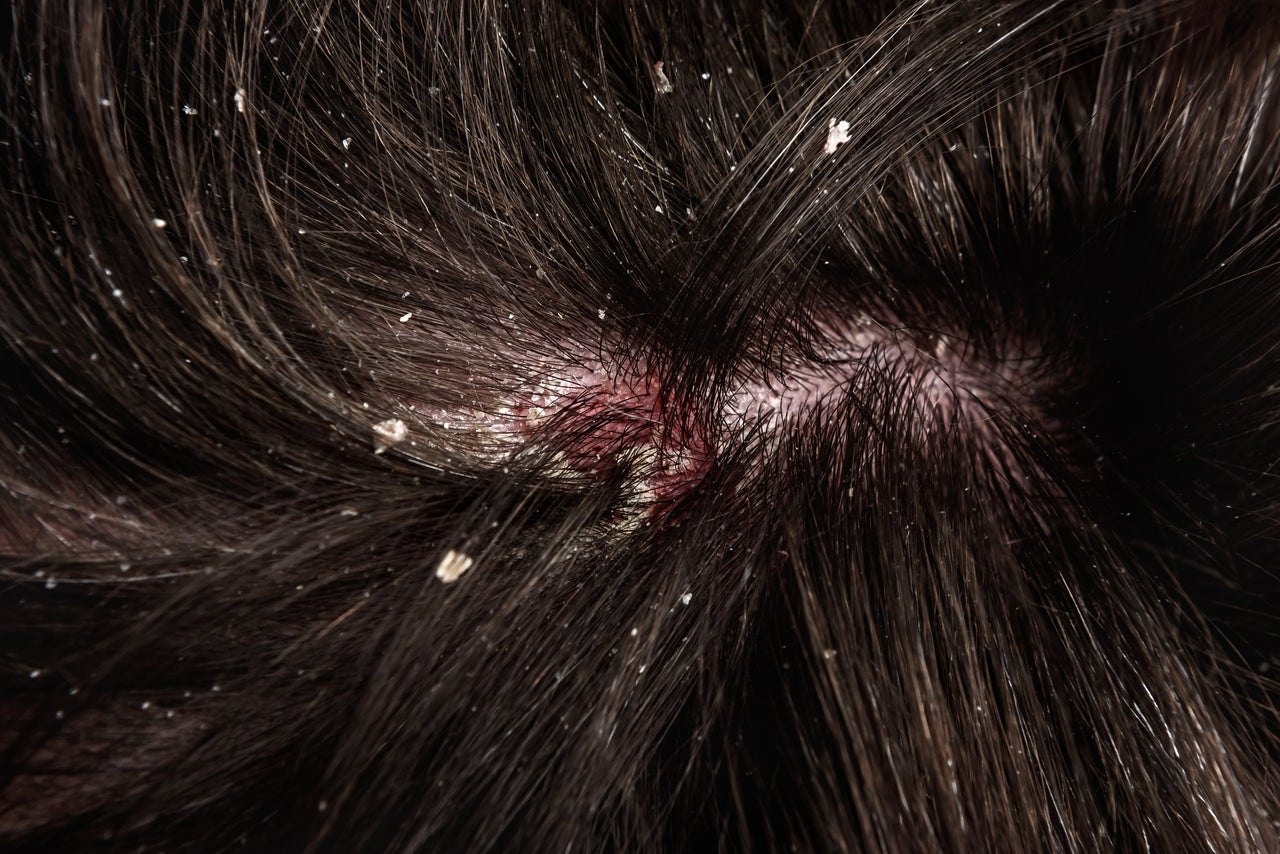
The Complete Dandruff Guide
Causes, Types & Evidence-Based Treatment

Do you find white flakes on your shoulders every time you brush your hair? Does your scalp itch persistently — even after trying every anti-dandruff shampoo on the market? You are not alone. Dandruff affects between 40% and 50% of people at some point in their lives.
The reason so many people get stuck in a cycle with dandruff treatment is straightforward: they choose the wrong treatment for their specific type of dandruff. Understanding the causes of dandruff and distinguishing between its types is the crucial first step to finding the right solution. This comprehensive guide walks you through the precise medical definition, how to identify your dandruff type, and the best scientifically validated treatment protocol for eliminating scalp flakes and minimizing recurrence.
1. What Is Dandruff — And Why Does It Affect Half of All People?
Dandruff is a common skin condition affecting the scalp, characterized by the shedding of white, grey, or yellowish flakes of dead skin, usually accompanied by varying degrees of scalp itching. It is one of the most widespread scalp problems and can appear across all age groups.
According to the Mayo Clinic, dandruff is neither contagious nor a health risk, but it can be distressing and embarrassing — and it can be difficult to treat effectively if the specific type is not accurately diagnosed and matched with the right treatment approach.
How Does Dandruff Form? — The Biological Mechanism
Skin constantly renews itself. New cells are generated in the deeper layers of the scalp and gradually move toward the surface, where they die and shed. Under normal conditions, this cycle takes approximately one month, and the dead cells are so small they are invisible to the naked eye.
In dandruff, however, this cell-renewal cycle accelerates dramatically — completing in just seven to fourteen days. The result is an accumulation and clumping of dead cells that become visible as flakes on hair and clothing, one of the hallmark signs of dandruff.
Dandruff vs. Dry Scalp: A Difference That Changes Everything
Most people confuse dandruff with a dry scalp. This confusion leads them to use the wrong products, which can worsen the condition instead of treating it. According to the American Academy of Dermatology (AAD):
◈ Dandruff is primarily caused by scalp fungus combined with excess oil (sebum) production. Flakes tend to be larger or greasy and may stick to the hair.
◈ Dry scalp is caused by a lack of moisture. Flakes are very small, fine, and fall off easily.
◈ Dry scalp is limited to the scalp itself, while dandruff can spread to other areas such as the face, chest, and back.
Dandruff and Hair Loss — Is There a Real Connection?
Dandruff does not directly cause hair loss — that is an important medical fact. However, the persistent scalp itching that comes with dandruff can weaken hair follicles through repeated scratching, leading to hair breakage and gradual increased shedding.
Additionally, chronic scalp inflammation caused by untreated dandruff may affect the health of hair follicles and reduce their capacity to produce strong, healthy hair. Early diagnosis and selecting the right dandruff treatment therefore helps control itching, maintain scalp health, and limit dandruff-related hair loss.
2. Types of Dandruff: Identifying Your Scalp Condition Before Choosing a Treatment
According to Healthline, dandruff divides into several distinct types, each with different causes, appearance, and treatment approach. Choosing the wrong treatment for the wrong type of dandruff is the leading reason treatment fails.
Dry Dandruff
Appearance and Symptoms
◈ Small, white, fine flakes that fall easily onto the shoulders.
◈ Dry scalp, sometimes accompanied by a feeling of tightness or mild burning.
◈ Dry dandruff worsens in winter and in air-conditioned environments with low humidity.
◈ Flakes may occasionally appear on the eyebrows and sides of the nose.
Primary Causes
◈ Natural skin dryness in cold or dry environments.
◈ Frequent washing with hot water, which dries out the scalp.
◈ Mild eczema affecting the scalp.
◈ Deficiency in Vitamin D, zinc, or omega fatty acids.
Treatment Approach
◈ Use a gentle anti-fungal or dry-dandruff shampoo, and focus on moisturizing the scalp.
◈ Reduce washing frequency in winter — twice a week is sufficient in most cases.
◈ Apply a light scalp oil (argan or coconut) in the evening when needed, but avoid overuse.

Oily (Seborrheic) Dandruff
Appearance and Symptoms
◈ Large yellow or white greasy flakes that stick to the hair and do not fall off easily.
◈ Oily, shiny scalp with persistent, uncomfortable itching.
◈ Oily dandruff worsens in summer, during periods of stress, and with hormonal changes.
◈ May be accompanied by mild redness and scalp irritation.
Primary Causes
◈ Overgrowth of scalp fungi in a warm, oily environment.
◈ Excess sebum production from the sebaceous glands.
◈ Hormonal changes — puberty, menstrual cycle, pregnancy.
◈ Chronic psychological stress, which stimulates stress-hormone production.
Treatment Approach
◈ A strong anti-fungal shampoo with effective active ingredients.
◈ Wash hair at least three times a week in summer.
◈ Completely avoid applying heavy oils directly to the scalp.
Seborrheic Dermatitis — The Chronic Form of Dandruff
Seborrheic dermatitis is among the most severe and persistent forms of dandruff. It is characterized by thick, yellow, greasy flakes with visible, sustained redness of the scalp. Symptoms can extend to other body areas, including the face, chest, and back.
Seborrheic dermatitis is one of the primary causes of treatment-resistant scalp flaking, and it may require diagnosis by a dermatologist and a prescribed treatment plan — especially when the condition does not respond to home care or over-the-counter anti-dandruff shampoos.

Eczema and Psoriasis of the Scalp — Special Cases
◈ Scalp Eczema: Appears as dry, scaly patches with intense itching. Flare-ups are typically cyclical and triggered by allergens.
◈ Scalp Psoriasis: Characterized by red patches covered with thick silver scales. It is an autoimmune disease requiring diagnosis and treatment under dermatologist supervision.
◈ Scalp eczema and scalp psoriasis differ from dandruff in their causes, mechanisms, and treatment approaches. Using a standard dandruff shampoo to treat them without medical consultation is not recommended.
3. Causes of Dandruff: From Fungus to Stress and Hormones
Understanding the causes of dandruff is not merely academic — it is the essential step for choosing the right dandruff treatment. Dandruff is a multi-factorial condition; there is usually more than one contributing factor at play simultaneously. Treatment success depends on accurately identifying the primary cause or causes.
Scalp Fungus — The Main Culprit Behind Dandruff
Scalp fungi naturally exist on most people's scalps as part of the skin's normal microbiome. The problem begins when conditions favor excessive fungal overgrowth. These fungi feed on the natural oils secreted by the sebaceous glands. As they multiply, they produce fatty acids that irritate the scalp and accelerate cell renewal, resulting in dandruff.
◈ Warmth and humidity provide scalp fungi with an ideal environment to thrive.
◈ Excess oil on the scalp is the primary food source for these fungi.
◈ Some individuals have a greater immune sensitivity to scalp fungi, increasing their likelihood of dandruff and its symptoms.
Sebum and Excess Oil
The sebaceous glands in the scalp naturally secrete sebum, which helps protect and moisturize hair and scalp. However, when sebum production becomes excessive, it creates an ideal environment for scalp fungal overgrowth — leading to more irritating fatty acid production, an accelerated cell-renewal cycle, and consequently dandruff and intensified scalp itching.
Psychological Stress and Hormones
According to WebMD, psychological stress does not directly cause dandruff, but it can significantly aggravate it. Elevated stress hormones may weaken the immune system's response to scalp fungi, allowing them to multiply more readily and intensifying dandruff symptoms.
Hormonal changes during puberty, the menstrual cycle, and pregnancy also increase sebum secretion, preparing the scalp for heightened fungal activity and the emergence of dandruff.
Common Daily Hair Care Mistakes
◈ Hot water strips the scalp of its natural protective oil layer, triggering compensatory sebum overproduction and providing an ideal environment for fungal growth.: Washing hair with excessively hot water
◈ Accumulated sebum and dead cells create an ideal growth medium for scalp fungi.: Infrequent hair washing
◈ Residue from gels or sprays can build up on the scalp, increasing irritation and aggravating dandruff symptoms.: Overusing hair styling products
◈ Applying a shampoo formulated for dry hair to oily hair can increase sebum production and worsen dandruff.: Using products unsuited to your hair type
4. The Science-Based Dandruff Treatment Protocol — Step by Step by Type
According to the American Academy of Dermatology (AAD), effective dandruff treatment is not about a single-use product. It requires a consistent routine that combines thorough scalp cleansing, anti-fungal action, and maintaining the scalp's natural balance — helping to reduce recurrence and control symptoms long-term.
Active Ingredients to Look for in a Dandruff Shampoo
Zinc Pyrithione
One of the most widely studied and commonly used ingredients for dandruff treatment. It kills harmful fungi and bacteria on the scalp and reduces inflammation. Safe for daily use and effective for mild to moderate cases.
Ketoconazole
A powerful antifungal that stops the synthesis of lipids in the fungal cell membrane, killing the fungus effectively. Best suited for severe and treatment-resistant dandruff; available in different concentrations — some over-the-counter, others requiring a prescription.
Selenium Sulfide
Slows the rate of scalp cell multiplication and reduces fungal activity. Highly effective for severe oily dandruff.
Piroctone Olamine
Works by disrupting energy pathways in the fungal cell, halting its reproduction. Gentle on the scalp, suitable for regular use without causing dryness.
Salicylic Acid
Exfoliates accumulated, hardened flakes and opens the pores so the anti-fungal ingredient can reach the scalp effectively. Typically used as a supporting ingredient.
How to Use a Medicated Shampoo Correctly
1. Wet your hair with lukewarm water — not hot.
2. Apply a sufficient amount of shampoo and concentrate it on the scalp, not the hair ends.
3. Massage the scalp with your fingertips for at least two minutes.
4. Leave the shampoo on your scalp for three to five minutes — this contact time is essential for the active ingredient to work.
5. Rinse thoroughly with lukewarm water until no residue remains.
6. Use two to three times per week — not daily, unless medically advised.
Alternating Between Shampoos — Why It Prevents Fungal Resistance
When you use the same shampoo for months, the fungus may develop an adaptation to its active ingredient and become less responsive. The evidence-based solution is to alternate between two shampoos with different active ingredients — every two weeks or every month. This prevents fungal adaptation and keeps the treatment effective long-term.
Dago and Dago Plus — from Bluebell Pharmaceuticals
Bluebell Pharmaceuticals offers two specialized products designed to cover the full spectrum of dandruff:
|
Dago Shampoo — for Mild to Moderate Dandruff A 5-in-1 shampoo combining anti-fungal active ingredients with caffeine. It removes flakes, soothes itching, fights fungus, and strengthens hair — sulfate-free and safe for color-treated and protein-treated hair. |
|
Dago Plus Shampoo — for Severe and Stubborn Dandruff A 5+1 shampoo that adds selenium sulfide to an advanced formulation. It treats severe and resistant oily dandruff, rebalances sebum production, and activates hair follicles for stronger growth. The ideal choice when standard shampoos fail. |
5. Nutrition and Internal Factors — Their Hidden Role in Scalp Health
External treatment alone will not produce lasting results if diet and internal factors are feeding dandruff from within. The scalp is part of the body, and its health reflects what is happening internally.
Nutrients That Protect the Scalp
Vitamin D
Deficiency weakens the immune system's ability to resist scalp fungi. Multiple studies have linked low Vitamin D levels to increased severity of seborrheic dermatitis. Sources: sunlight exposure, fatty fish, eggs, and dietary supplements.
Zinc
Regulates sebaceous gland activity and reduces excess sebum secretion. An essential mineral in the formation of healthy skin. Found in nuts, pumpkin seeds, meat, and legumes.
Omega Fatty Acids
Anti-inflammatory fatty acids that reduce the inflammatory response in the scalp triggered by fungal secretions. Found in fatty fish such as salmon and sardines, as well as flaxseeds and walnuts.
Biotin and B Vitamins
Support skin and hair health and reduce dryness. Their deficiency makes the scalp more prone to flaking even without a fungal component.
Foods That Fuel Dandruff
◈ Simple sugars and refined starches: raise insulin levels, which stimulate sebum production.
◈ Fatty and fried foods: increase blood lipid levels and consequently sebaceous gland secretions.
◈ Dairy products in large quantities: linked to increased sebum production in some individuals.
The Gut-Scalp Connection
The gut-skin axis is an expanding area of research suggesting that disruption of beneficial gut bacteria may contribute to inflammatory skin conditions, including seborrheic dermatitis. Fermented foods such as yogurt may help improve the immune response to fungi, but this field remains under investigation and does not replace direct treatment.
6. The Five Most Common Mistakes That Make Dandruff Keep Coming Back
If you have been treating dandruff for months without improvement, one of these mistakes is likely bringing it back.
Mistake #1: Washing Hair with Hot Water
Hot water strips the scalp of its natural protective oil layer, prompting it to produce even more sebum to compensate for the dryness — and that excess sebum is the preferred food of dandruff fungi. The fix: use lukewarm water for washing and a cool final rinse to close the follicles.
Mistake #2: Over-Applying Heavy Oils to the Scalp
There is a common misconception that all oils benefit the scalp. Heavy oils applied directly to the scalp feed the fungi and aggravate oily dandruff. Oils suit dry ends only — the scalp needs balance, not additional oily moisture.
Mistake #3: Using the Same Shampoo Indefinitely
Dandruff is often a chronic condition, and fungus adapts to the active ingredient over time. Staying with the same shampoo for many months gradually reduces its effectiveness. Alternating between two shampoos with different active ingredients every two weeks or every month is the solution.
Mistake #4: Stopping Treatment at the First Sign of Improvement
When flakes disappear after one or two weeks, many people stop the medicated shampoo and return to their regular shampoo — and dandruff returns within weeks. Dandruff requires ongoing maintenance: after the intensive treatment phase, continue using the medicated shampoo once a week for prevention.
Mistake #5: Wearing a Head Covering Over Wet or Damp Hair
Trapped moisture and heat create an ideal environment for scalp fungi to multiply. Dry your hair thoroughly before covering it, use breathable cotton fabric in summer, and wash your hair at least three times a week during hot seasons.
7. When Does Dandruff Become a Warning Sign Requiring a Doctor's Visit?
According to the American Academy of Dermatology and the Mayo Clinic, most dandruff cases respond to home treatment within two to four weeks. However, certain warning signs warrant a visit to a dermatologist.
See a Doctor Immediately If You Notice Any of the Following:
◈ Dandruff persisting for more than four weeks despite regular and correct use of medicated shampoo.
◈ Severe redness or visible swelling of the scalp, behind the ears, or on the forehead.
◈ Significant and increasing hair loss accompanied by dandruff and severe itching.
◈ Flakes spreading to the face — eyebrows, sides of the nose, or forehead.
◈ Very thick, yellow flakes that stick strongly and do not respond to any shampoo.
◈ Pain or burning when combing the hair or touching the scalp.
◈ An unusual odor from the scalp despite regular washing.
Dandruff vs. Seborrheic Dermatitis — Knowing the Difference
|
Seborrheic Dermatitis |
Common Dandruff |
|
Thick, sticky yellow flakes with redness |
White or yellow flakes — no redness |
|
Extends to face, chest, and back |
Usually confined to the scalp |
|
Chronic and cyclical — keeps returning |
Responds to shampoo within 4 weeks |
|
May require prescription or topical corticosteroids |
Treated with OTC medicated shampoo |
|
More common in Parkinson's disease and immunocompromised individuals |
Can affect anyone at any age |
What Will a Dermatologist Do? — Medical Treatment Options
◈ High-concentration prescription shampoo — for resistant cases.
◈ Ciclopirox shampoo — medically approved for seborrheic dermatitis treatment.
◈ Topical corticosteroid creams or solutions — for rapidly reducing severe inflammation.
◈ Roflumilast foam — a newly approved treatment targeting flaking, redness, and hyperpigmentation.
◈ Oral antifungals — for very severe cases unresponsive to topical treatment.
Scientific References
1. Mayo Clinic — Dandruff Causes and Symptoms
2. Mayo Clinic — Dandruff Diagnosis and Treatment
3. AAD — How to Treat Dandruff
4. AAD — Dry Scalp and Other Scalp Conditions
5. Healthline — Types of Dandruff and Treatment
6. WebMD — Understanding Dandruff Basics
Did you find this guide helpful?
Share it with anyone experiencing dandruff — and do not hesitate to visit a dermatologist if symptoms persist. The health of your scalp is directly reflected in the health and beauty of your hair.
For more products and specialized medical articles on hair and scalp care: Visit ebluebell.com
Target SEO Keywords Reference
|
Keyword |
Type |
Primary Location |
SEO Priority |
|
dandruff / dandruff treatment |
Primary |
Title + All Sections |
★★★★★ |
|
dry dandruff |
Primary |
Section 2 |
★★★★★ |
|
oily dandruff |
Primary |
Section 2 |
★★★★★ |
|
chronic dandruff problems |
Primary |
Section 3 |
★★★★★ |
|
dandruff and hair loss |
Secondary |
Sections 1 & 3 |
★★★★ |
|
scalp flake treatment |
Primary |
Sections 3 & 4 |
★★★★★ |
|
scalp problems |
Secondary |
Sections 1 & 7 |
★★★★ |
|
Dago shampoo |
Brand |
Section 4 |
★★★★★ |
