
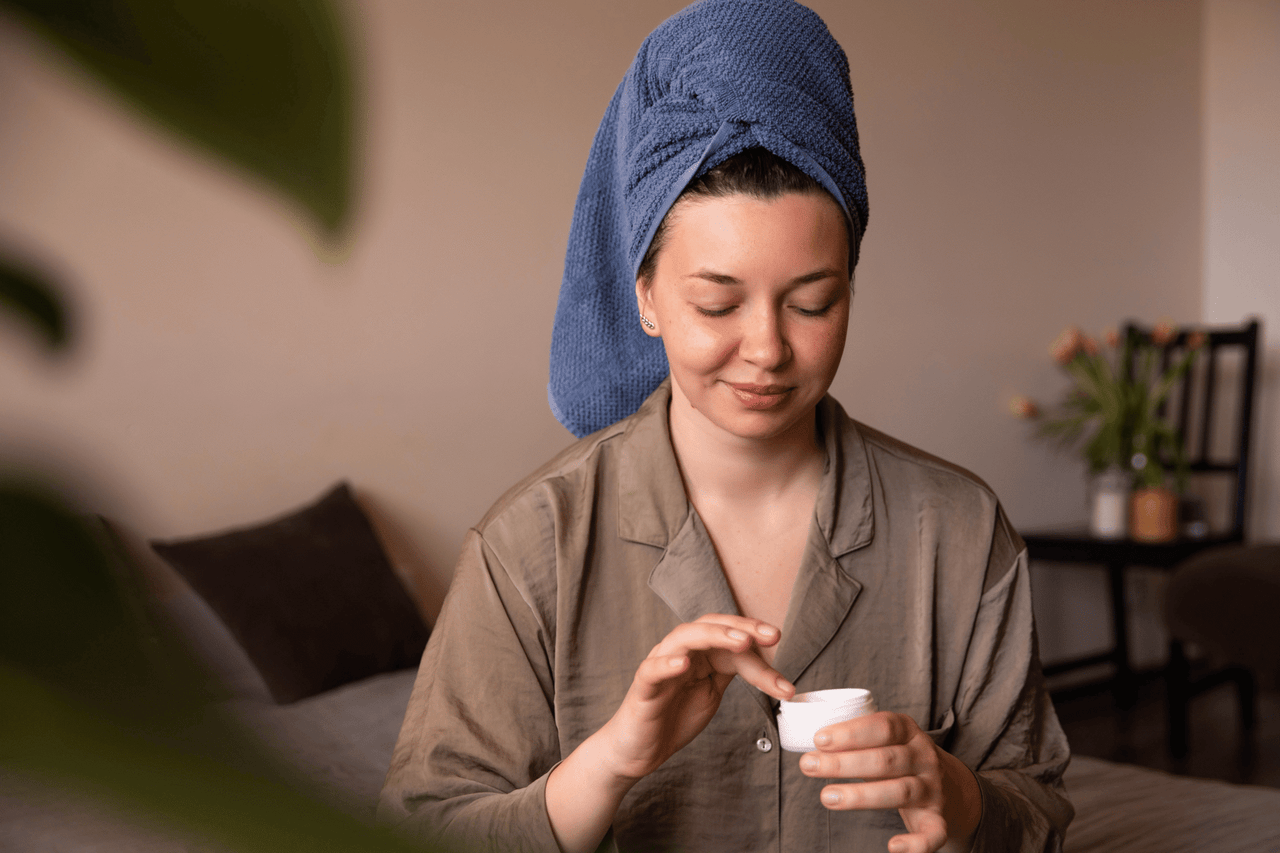
Are you struggling to keep your skin and hair healthy?
It's important to know your skin and hair types.
This helps you pick the right Skincare Routine and Hair Care Tips. The weather also affects
how you should care for your skin and hair.
Expert advice can help protect your skin and hair from harm.
A good Hair Care routine and the right Skincare practices can really help.
Key Takeaways
• Understanding your skin and hair types is essential.
• Climate affects skin and hair health significantly.
• A proper Skincare Routine is vital for healthy skin.
• Effective Hair Care Tips can improve hair health.
• Combining Skincare and Hair Care routines yields the best results.
Understanding Your Skin and Hair Type
The more you understand about the type of skin you have, the easier it is to know the best way to care for it and select the correct skincare routine for your personal needs. Most skin types benefit from cleansing and often a moisturiser, and it’s recommended that everyone use a sunscreen daily, however some products may be unsuitable for certain skin types.
Skin types are mostly determined by the amount of oil (sebum) produced: this is genetically determined and cannot be changed. However, skin types may change throughout life, such as becoming more oily during puberty and drier during the menopause, so it is often worth reviewing skincare needs from time to time. Skin may also have different needs in different environments, and skincare routines may need to be reassessed when on holiday, for example.
Oily skin
Oily skin produces excess sebum and can feel shiny or greasy, especially towards the end of the day. People with oily skin may be prone to developing acne, blemishes, enlarged pores and blackheads.
Ingredients to look out for in oily skin are salicylic acid (which is lipid soluble and able to break through excess sebum) and retinoids which reduce the amount of sebum produced. Benzoyl peroxide may also be helpful in blemish-prone skin. Using a lighter moisturiser such as a gel or lotion is usually preferable to thicker formulations and definitely look out for non-comedogenic oil/free moisturisers.
Of course, if you are struggling to manage acne you should always see a dermatologist for a full assessment and consideration of prescription treatments.
Dry skin
Dry skin tends to produce less sebum and can often feel dry, tight or flaky.
Generally, dry skin requires additional moisture than the other skin types, and people may need to moisturise several times per day. A gentle hydrating cleanser should be used, and ingredients to look out for in a moisturiser include humectants such as hyaluronic acid, urea and glycerine as well as emollients and ceramides. Thicker, and even occlusive, formulations may sometimes be needed particularly during winter.
Caution should be used with drying ingredients such as alcohol, AHAs and retinoids. Whilst they may be tolerated, they should be introduced slowly, starting a couple of days per week, and step-by-step, introducing a new ingredient a few weeks after your skin has adapted to the last. Avoiding long, hot showers and even using humidifiers in the home may help reduce water loss through the skin.
Normal skin
So-called “normal” skin does not have any features of the other skin types and is mostly clear and not sensitive. Whilst very few people have truly “normal” skin for their whole life, most active ingredients can be used depending on your personal skincare goals. At a minimum, everyone should be gently cleansing at least once a day and applying a sunscreen to reduce the risk of skin cancer and accelerated aging from UV exposure.
Combination skin
With combination skin, some areas of the face may produce too much sebum (such as the forehead and nose, known as the T-zone), whilst other areas may be normal or dry.
It can sometimes be difficult to select the right products for combination skin, and different topicals may be needed for different areas. For example, salicylic acid may be needed in the T-zone, but may be too drying to use in other areas. In contrast, heavier moisturisers may be needed for dry areas whereas a lotion or gel may be better for oily areas of the face. Some products, such as a hyaluronic acid serum, Niacinamide, azelaic acid and potentially an antioxidant serum may be tolerated on the whole face. It can take some time to find the perfect skincare routine for combination skin, so be patient!
Sensitive skin
Sensitive skin, unlike the other types, is not defined by the amount of serum that is produced by the skin. People with sensitive skin may develop a burning or itching sensation after applying different products and may even develop a rash. Sensitive skin may also result from underlying dermatological problems such as rosacea or eczema.
When choosing products for sensitive skin, it is best to avoid any harsh or potentially irritating products such as hydroxy acids or retinoids. Polyhydroxyacids such as lactobionic acid are less irritating than AHAs and BHAs and are often used as exfoliants in sensitive skin as they also have moisturising properties. Less irritating alternatives can be chosen for some actives such as sodium ascorbate instead of vitamin C, and retinal instead of retinol or tretinoin (though these may be less effective). Niacinamide is also a hero ingredient for sensitive skin due to its calming effect and ability to restore the skin barrier.
In very sensitive skin, it may also be advisable to avoid products with fragrances and certain preservatives, and several skincare companies have ranges developed specifically for this skin type. If sunscreens are causing problems in sensitive areas, mineral filters such as zinc oxide and titanium dioxide may be less irritating.
Sometimes it can be helpful to test a product on an area such as your forearm for a few days before applying it to the face.
Determining Your Hair Type and Texture
Knowing your hair type is more than just dry or oily. It's about porosity, density, thickness
and curl pattern.
Hair Porosity, Density, and Thickness
Hair porosity is how well it takes in moisture. Density is how many strands you have.
Thickness is how thick each strand is. Knowing these helps pick the right hair products.
Curl Patterns and What They Mean for Care
Curl patterns go from straight to very curly. Knowing your curl pattern helps choose the best care. For example, very curly hair needs more moisturizer than straight hair.
Essential Skincare Routines for All Skin Types
Having a skincare routine is key for healthy, shiny skin. It helps with skin problems and the
hot Egyptian weather.
Morning Skincare Routine Steps
Start your day with a good skincare routine. It makes your skin healthy.
Cleansing and Toning Basics
Use a gentle cleanser for your skin type. Then, a toner to balance your skin. Cleansing gets
rid of dirt. Toning gets your skin ready for more products.
Serums and Moisturizers
Put on a serum for your skin needs, like hydration. Then, a moisturizer to keep everything in and protect your skin.
Sun Protection for Egyptian Climate
The sun in Egypt is very strong. Use a sun protection with high SPF to avoid sun damage.
Evening Skincare Routine Steps
The evening routine fixes and refreshes your skin. Here's how:
Double Cleansing Method
Start with an oil based cleanser for makeup and sunscreen. Then, a Water based cleanser for deep cleaning.
This double cleansing method cleans your skin well.
Treatment Products and Actives
Use products with actives like retinol or vitamin C. They help with acne, aging, or dark spots.
Night Creams and Overnight Masks
End with a night cream or overnight mask. They nourish and repair your skin while you
sleep. You'll wake up with fresh, healthy skin.
By doing these morning and evening skincare routines, your skin stays healthy and strong. It looks great, even in Egypt's tough weather.
Hair Care Fundamentals for Healthy Locks
Keeping your hair healthy needs knowing the basics. A good hair care plan is key for shiny,
healthy hair.
Basic Hair Care Routine
A good hair care routine has a few important steps. These steps help keep your hair healthy and strong. They include washing, conditioning, and protecting from heat.
Proper Shampooing Techniques
Shampooing right is very important. Gently massage the shampoo into your scalp to clean it well. Then, rinse with lukewarm water.
Conditioning and Deep Conditioning
Conditioning keeps your hair moist and easy to manage. Use a deep conditioning treatment once a week for extra moisture.
Heat Protection and Styling
When styling with heat, always apply a heat protectant spray. This prevents damage and
frizz.
Frequency of Washing Based on Hair Type
How often you wash your hair depends on its type. Knowing if your hair is oily, normal, or
dry helps decide the washing frequency.
Schedules for Oily, Normal, and Dry Hair
Oily hair needs washing every other day. Normal hair can be washed
2 - 3 times a week. Dry hair might only need washing once or twice a week.
Adjusting Routines for Egyptian Weather Conditions
The Egyptian weather, with its heat and dryness, affects your hair. Adjust your hair care
routine by using more moisturizing products. Also, protect your hair from the sun.
Climate Specific Skin and Hair Care for Egypt
The climate in Egypt needs special skin and hair care. The extreme weather can
cause skin and hair problems if not handled right.
Protecting Skin from Hot, Dry Weather
The dry air takes away skin moisture, causing dryness and irritation. It's key to use a
skincare routine that keeps skin hydrated and protected.
Hydration Strategies for hot Climate
Use a moisturizer with hyaluronic acid and ceramides to keep moisture in. Drinking lots of
water is also important for skin hydration.
Dealing with Sun Exposure and UV Damage
Sun protection is crucial in Egypt's sunny weather. Use sunscreen with high SPF, wear
protective clothes, and stay in the shade when it's hottest to avoid UV damage.
Managing Hair in Egypt's Climate
The dry air and strong sun make hair dry, brittle, and breakable. A hair care routine with
moisturizing treatments and protection can help.
Preventing Dryness and Breakage
Use a hydrating hair mask once or twice a week to keep hair moist. Also, apply
a leave in conditioner or hair serum to protect against dryness.
Protecting Hair from Sand and Dust
Wear a scarf or hat outside to protect hair from sand and dust. Washing hair regularly to
remove dirt and debris is also vital for hair health.
Seasonal Skin and Hair Care Adjustments
When the seasons change, we need to change how we take care of our skin and hair. Winter can make our skin dry, while summer makes it oily. Knowing how to adjust our routines helps keep our skin and hair healthy all year.
Winter Care Routines
Winter is hard on our skin and hair, making them dry and irritated. We must change how we care for them.
Combating Dryness During Cooler Months
To fight dryness, moisturize often with thick, hydrating creams. Using a humidifier helps
keep the air moist.
• Choose gentle cleansers that keep our skin's natural oils.
• Exfoliate gently to avoid hurting dry skin.
Product Swaps for Winter
In winter, use thicker, more nourishing products. This means using heavy moisturizers and
hydrating masks.
• Switch to richer serums instead of light ones.
• Use a hydrating mask once or twice a week.
Summer Survival Guide
Summer has its own challenges, like more oil and sun protection needs.
Lightweight Products for Hot Weather
Choose lightweight, oil-free products for hot weather. They won't clog pores or make oiliness worse.
1. Use a gentle, non-comedogenic cleanser.
2. Apply a lightweight moisturizer that hydrates without being greasy.
Extra Protection for Beach and Pool Days
When outdoors, protect your skin and hair from the sun and chlorine.
• Apply broad-spectrum sunscreen with high SPF.
• Wear a hat or use a hair serum with SPF to protect your hair.
Natural Remedies and DIY Treatments
Using natural remedies and DIY treatments can change your skincare and haircare. You can make treatments without harsh chemicals. This way, you meet your skin and hair needs.
Homemade Skin Care Masks and Treatments
Making your own skincare masks and treatments saves money. It's good for your skin too.
You can use natural ingredients to fix dryness, acne, and more.
Egyptian-Inspired Ingredients
Ingredients like honey, aloe vera, and olive oil are great for your skin. Honey keeps moisture in. Aloe vera calms your skin. Olive oil has antioxidants.
DIY Exfoliants and Hydrating Masks
Exfoliating and hydrating are key in skincare. You can make exfoliants with sugar or salt and
olive oil. Hydrating masks with honey and yogurt keep moisture in.
Natural Hair Care Solutions from Your Kitchen
Natural ingredients in your kitchen are good for haircare too. Coconut oil, shea butter, and
apple cider vinegar make great hair treatments.
Oil Treatments Using Local Ingredients
Oil treatments are great for hair. Use coconut oil and olive oil for deep conditioning.
They make your hair soft and easy to manage.
Natural Hair Masks for Different Hair Concerns
There are natural hair masks for every hair problem. A banana and honey mask moisturizes dry hair. An apple cider vinegar rinse fights dandruff and adds shine.
Common Skin Concerns and Solutions
Egypt's climate can make skin issues worse. This includes acne, dryness, and dark spots.
It's key to know how to handle these problems.
Addressing Acne and Blemishes
Acne is common, mainly in oily skin. To manage it, you need good skincare and lifestyle
changes.
Prevention Strategies
To stop acne, keep your skin clean. Use products that don't clog pores. Don't squeeze pimpls Salicylic acid and benzoyl peroxide help a lot.
Treatment Options Available in Egypt
In Egypt, you can find many treatments. These include creams, and antibiotics. A dermatologist can guide you to the right treatment.
Managing Dryness and Dehydration
Dryness and dehydration are big issues in Egypt. The right moisturizers and a healthy lifestyle can help.
Hydrating Ingredients to Look For
Look for hyaluronic acid, glycerin, and ceramides. They keep your skin moist and strong.
Lifestyle Factors Affecting Skin Hydration
Drinking water, eating right, and gentle skincare are key. Hydrating foods and water are very
important.
Tackling Hyperpigmentation
Hyperpigmentation is tough, but doable. Knowing why it happens and using the right treatments helps.
Effective Brightening Ingredients
Vitamin C, niacinamide, and licorice extract brighten and fade dark spots well.
Hair Problems and Their Remedies
Hair loss, dryness, and frizz are common hair problems. Knowing what causes them and how to fix them can make your hair healthier. In Egypt's hot and dry weather, these problems can be even harder to deal with.
Dealing with Hair Loss and Thinning
Hair loss can happen for many reasons. These include genetics, not getting enough nutrients, and stress from the environment.
Common Causes in Egyptian Climate
The hot and dry Egyptian climate makes hair loss worse. Protecting your hair from the sun and using gentle hair care products can help.
Strengthening Treatments and Supplements
Strengthening treatments and supplements can help your hair grow. Biotin, keratin, and saw palmetto are good for hair health.
Solutions for Dry and Damaged Hair
Dry and damaged hair can be hard to handle. But, there are good solutions out there.
Protein vs. Moisture Balance
It's important to keep a balance of protein and moisture for healthy hair. Protein based treatments can fix damaged hair, while moisturizing products can make dry hair wet.
Repairing Treatments for Heat Damage
Heat styling can really damage your hair. Using treatments with argan oil and shea butter can fix damaged hair.
Managing Frizz
Frizz is a problem in humid places like Egypt.
Humidity-Fighting Products
Products that fight humidity, like those with silicones and antioxidants, can smooth your hair. This helps reduce frizz.
Styling Techniques for Smooth Hair
Using the right styling techniques can also help with frizz. Try using a round brush while
blow drying and avoid heavy styling products.
Product Recommendations for Egyptian Consumers
In Egypt, the weather and Hair & Skin types vary. It's key to pick the right skincare and haircare
products for healthy skin and hair. Egypt's climate needs special skincare. Local Egyptian brands make products just for this area's skin.
Conclusion
Knowing your skin and hair type is key to looking good. A good Skincare Routine and
Hair Care Tips can help. They solve common skin and hair issues.
Climate and seasons affect your skin and hair. Simple changes in your routine can help. They protect your skin and hair from harm.
Try the natural remedies and products we talked about. Start your journey to healthy, glowing skin and hair today. Enjoy the benefits of a great Skincare Routine and Hair Care Tips.
FAQ
What are the main skin types and how can I identify mine?
There are five main skin types: normal, dry, oily, combination, and sensitive. You can find out yours by watching how your skin acts during the day. Try the blotting sheet method or ask a dermatologist for help.
How often should I wash my hair based on its type?
Washing frequency changes with hair type. Oily hair needs daily washing. Dry or normal hair can go every other day or a few times a week. Adjust your schedule for your hair's needs and Egypt’s weather.
What are some effective ways to protect my skin from the hot, dry Egyptian weather?
Use hydrating products and sunscreen with high SPF often. Wear protective clothes and stay in the shade outside. Drinking lots of water is also key.
Can I use the same skincare routine for both morning and evening?
No, your morning and evening routines should be different. In the morning, clean, tone,
apply serums and moisturizers, and use sun protection. At night, double clean,
use treatment products, and apply night creams or masks.
Are there any natural ingredients that can be used for DIY skin and hair treatments?
Yes, honey, aloe vera, and olive oil are good for skin and hair.
Honey keeps moisture, aloe vera hydrates, and olive oil moisturizes. You can make your own masks and treatments with these.
How can I manage frizz in humid climates?
Use products against frizz, apply leave in conditioner or serum, and dry with a microfiber towel Styling with a diffuser or round brush while blow-drying also helps.
What are some common causes of hair loss in the Egyptian climate?
Hair loss comes from too much sun, dryness, and heat styling without protection.
The dry climate can also cause breakage.
Use strengthening treatments, supplements, and protective styles to fight these problems.
